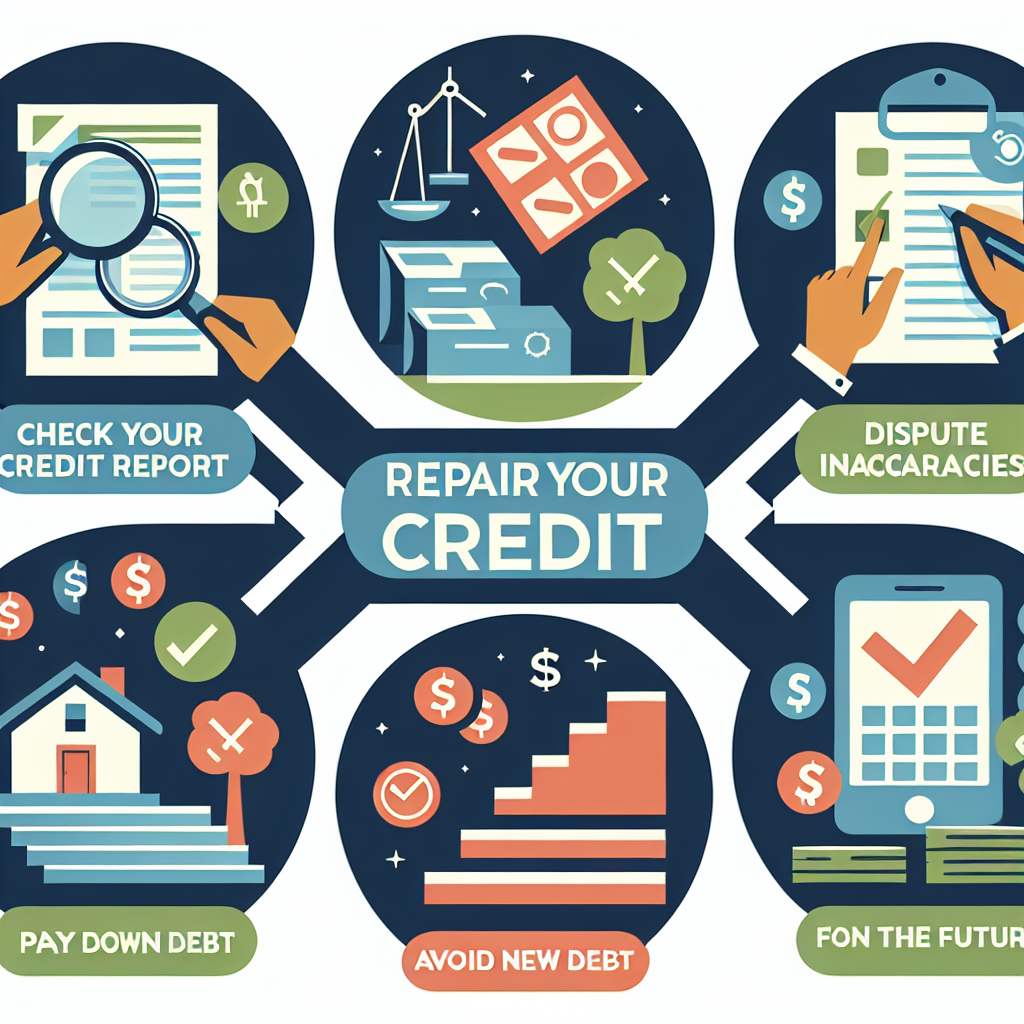
Boost Your Credit Score with These Expert Refinancing Tips

How to Boost Your Credit Score with Expert Refinancing Tips
Your credit score plays a critical role in your financial health. It determines your ability to secure loans, credit cards, and even affect the interest rates you receive. If you have a low credit score, refinancing can be a great way to help improve your credit score. In this article, we will discuss expert refinancing tips to help you boost your credit score.
1. Understand your credit score
Before you can improve your credit score, it’s essential to understand where you currently stand. You can obtain a free credit report from the three major credit bureaus – Equifax, Experian, and TransUnion. Your credit report will show you your credit history, including any late payments, outstanding debts, and credit utilization ratio. Understanding your credit report will help you identify areas you need to improve on.
2. Consolidate your debts
If you have multiple high-interest debts, consolidating them with a lower interest rate loan can help improve your credit score. By consolidating your debts, you can lower your overall credit utilization ratio, which accounts for 30% of your credit score. Additionally, making timely payments on a consolidated loan can help demonstrate to lenders that you are responsible with credit.
3. Refinance high-interest loans
If you have high-interest loans, such as credit cards or personal loans, refinancing them at a lower interest rate can save you money and improve your credit score. When you refinance a loan, you essentially replace your existing debt with a new loan that has more favorable terms. By refinancing high-interest loans, you can reduce the amount of interest you pay over time, making it easier to pay off your debt and improve your credit score.
4. Pay off outstanding debts
One of the most effective ways to boost your credit score is to pay off outstanding debts. High credit card balances can negatively impact your credit score, as it increases your credit utilization ratio. By paying off your debts, you can lower your credit utilization ratio and demonstrate to lenders that you are responsible with credit. Consider using any extra income or windfall to pay off outstanding debts and improve your credit score.
5. Make timely payments
One of the most important factors that impact your credit score is your payment history. Making timely payments on your debts and bills shows lenders that you are reliable and responsible with credit. If you have a history of late payments, focus on making timely payments to help improve your credit score. Consider setting up automatic payments or reminders to ensure you never miss a payment.
6. Avoid opening new lines of credit
While it may be tempting to open new lines of credit, doing so can negatively impact your credit score. Each time you apply for a new credit card or loan, lenders perform a hard inquiry on your credit report, which can lower your credit score. Additionally, opening new lines of credit can increase your credit utilization ratio, which can also harm your credit score. Before opening a new line of credit, consider how it may impact your credit score and whether it’s necessary.
7. Monitor your credit report regularly
Lastly, it’s essential to monitor your credit report regularly to ensure there are no errors or fraudulent activity that could be negatively impacting your credit score. By staying on top of your credit report, you can quickly identify any issues and take steps to resolve them. Consider signing up for credit monitoring services or checking your credit report annually to help improve your credit score.
In conclusion, improving your credit score takes time and effort, but by following these expert refinancing tips, you can help boost your credit score and achieve your financial goals. By understanding your credit score, consolidating debts, refinancing high-interest loans, paying off outstanding debts, making timely payments, avoiding opening new lines of credit, and monitoring your credit report regularly, you can improve your credit score and secure better financial opportunities in the future.