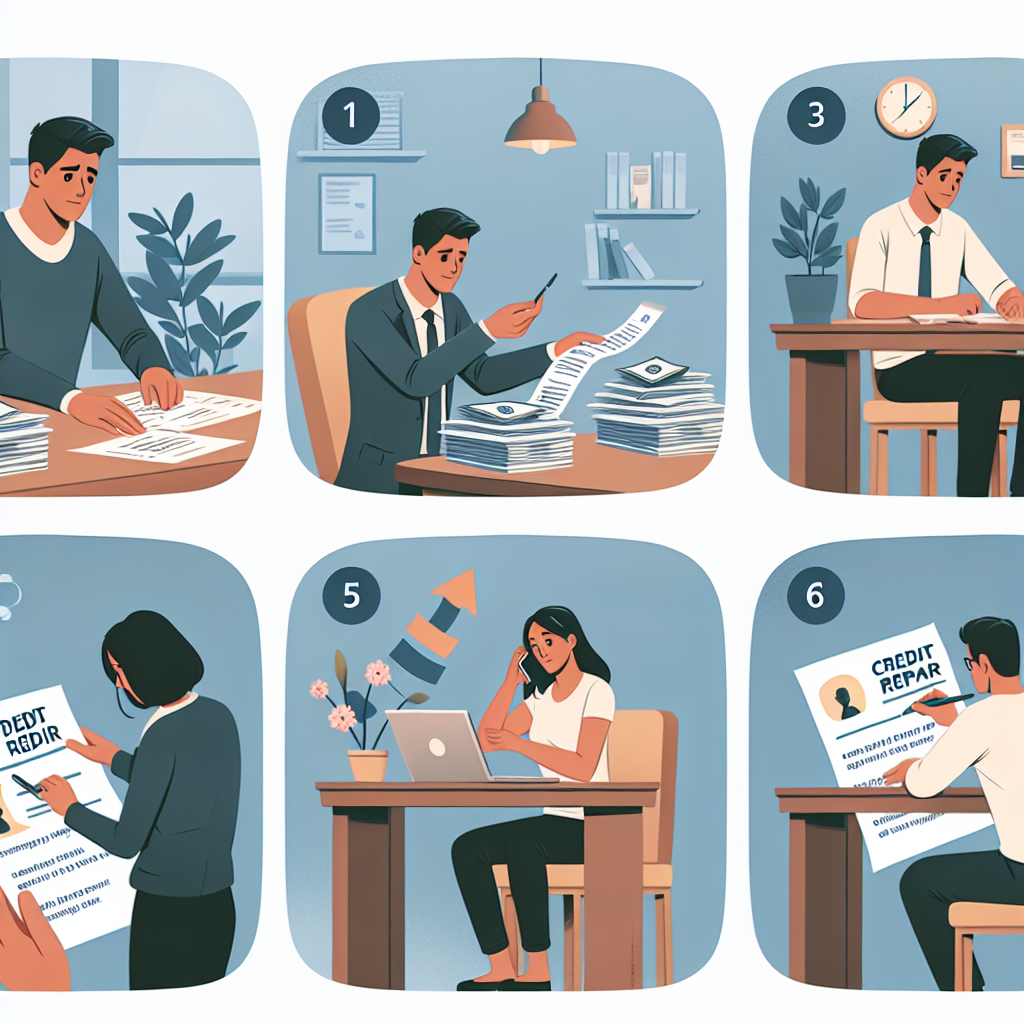
Unlocking the Secrets to Repairing Your Credit: Tips on Using Credit Wisely

Title: Unlocking the Secrets to Repairing Your Credit: Tips on Using Credit Wisely
Introduction
Having good credit is crucial for achieving financial stability and success. A strong credit score can help you secure better interest rates on loans, qualify for a mortgage, and even land a job. However, when your credit is less than stellar, it can be challenging to improve your score. In this article, we will explore some tips on using credit wisely to repair your credit and unlock the secrets to a healthy financial future.
Understanding Your Credit Score
Before delving into how to repair your credit, it’s essential to understand how your credit score is calculated. Your credit score is a numerical representation of your creditworthiness, ranging from 300 to 850. The higher your score, the more trustworthy you appear to lenders. Factors that influence your credit score include payment history, credit utilization, length of credit history, types of credit used, and new credit inquiries.
Dispute Inaccurate Information
The first step in repairing your credit is to review your credit report for any errors or inaccuracies. Common mistakes include outdated information, accounts that don’t belong to you, and incorrect payment history. If you spot any discrepancies, file a dispute with the credit bureaus to have them corrected. A clean credit report will help boost your score and improve your creditworthiness.
Pay Your Bills on Time
One of the most significant factors in determining your credit score is your payment history. Late or missed payments can have a significant negative impact on your credit score. To repair your credit, make sure to pay all your bills on time, every time. Setting up automatic payments or reminders can help you stay on track and avoid late payments.
Reduce Your Credit Utilization
Credit utilization refers to the amount of credit you are using compared to the total amount of credit available to you. High credit utilization can negatively impact your credit score. To improve your credit, aim to keep your credit utilization below 30%. You can achieve this by paying down your balances, requesting a credit limit increase, or opening a new credit account.
Avoid Opening Too Many New Accounts
While opening a new credit account can help diversify your credit mix and improve your credit score, applying for multiple new accounts in a short period can have a negative impact. Each new credit inquiry can lower your credit score, so it’s essential to be strategic when applying for new credit. Only open new accounts when necessary and space out your applications to minimize the impact on your score.
Monitor Your Credit Report Regularly
To track your progress in repairing your credit, it’s crucial to monitor your credit report regularly. Check for any new errors or inaccuracies and ensure that any disputes have been resolved. Monitoring your credit report can also help you spot signs of identity theft or fraud early, allowing you to take action quickly.
Seek Professional Help If Needed
If you find it challenging to repair your credit on your own, consider seeking help from a credit repair company or credit counselor. These professionals can help you develop a personalized plan to improve your credit and work with creditors to negotiate on your behalf. While there are legitimate credit repair services available, be cautious of scams that promise quick fixes or guaranteed results.
Conclusion
Repairing your credit is a journey that requires patience, diligence, and discipline. By understanding how credit works and implementing the tips mentioned in this article, you can take control of your credit score and unlock the secrets to a healthy financial future. Remember that improving your credit takes time, but with perseverance and the right tools, you can achieve your goal of financial stability and success.