Unlock the Secrets of Credit Repair: Tips for Improving Your Credit Score Through Good Payment History

Unlock the Secrets of Credit Repair: Tips for Improving Your Credit Score Through Good Payment History
In today’s society, having a good credit score is essential for obtaining loans, renting an apartment, or even getting hired for certain jobs. Your credit score is a reflection of your financial responsibility, and having a high score can open up many opportunities for you. If your credit score is less than stellar, don’t worry – there are steps you can take to improve it. One of the most crucial factors in determining your credit score is your payment history. In this article, we will discuss the importance of good payment history and provide tips for improving your credit score through responsible payment habits.
Understanding the Importance of Payment History
Your payment history makes up 35% of your FICO credit score, making it the single most crucial factor in determining your overall creditworthiness. Lenders use your payment history to evaluate how likely you are to repay your debts on time. A track record of timely payments demonstrates to lenders that you are a responsible borrower who can be trusted to make payments as agreed. On the flip side, a history of missed or late payments can cause your credit score to drop significantly and can make it challenging to qualify for loans or credit cards in the future.
Tips for Improving Your Credit Score Through Good Payment History
1. Pay on Time, Every Time
The most important thing you can do to improve your credit score is to pay your bills on time, every time. Late payments can have a significant negative impact on your credit score, so it is crucial to make paying your bills on time a top priority. Set up reminders or automatic payments to ensure that you never miss a due date.
2. Pay More than the Minimum
When it comes to credit card debt, paying only the minimum amount due each month will not help you improve your credit score. In fact, carrying a high balance on your credit cards can actually harm your score. To improve your credit score, aim to pay off your credit card balances in full each month or at least pay more than the minimum amount due. This will show lenders that you are actively working to reduce your debt and improve your financial health.
3. Avoid Maxing Out Your Credit Cards
Another important factor in determining your credit score is your credit utilization ratio, which is the amount of credit you are using compared to the total amount of credit available to you. Maxing out your credit cards can signal to lenders that you are overextended and may struggle to repay your debts. To improve your credit score, aim to keep your credit utilization ratio below 30%. If possible, try to pay off your credit card balances in full each month to keep your ratio as low as possible.
4. Monitor Your Credit Report Regularly
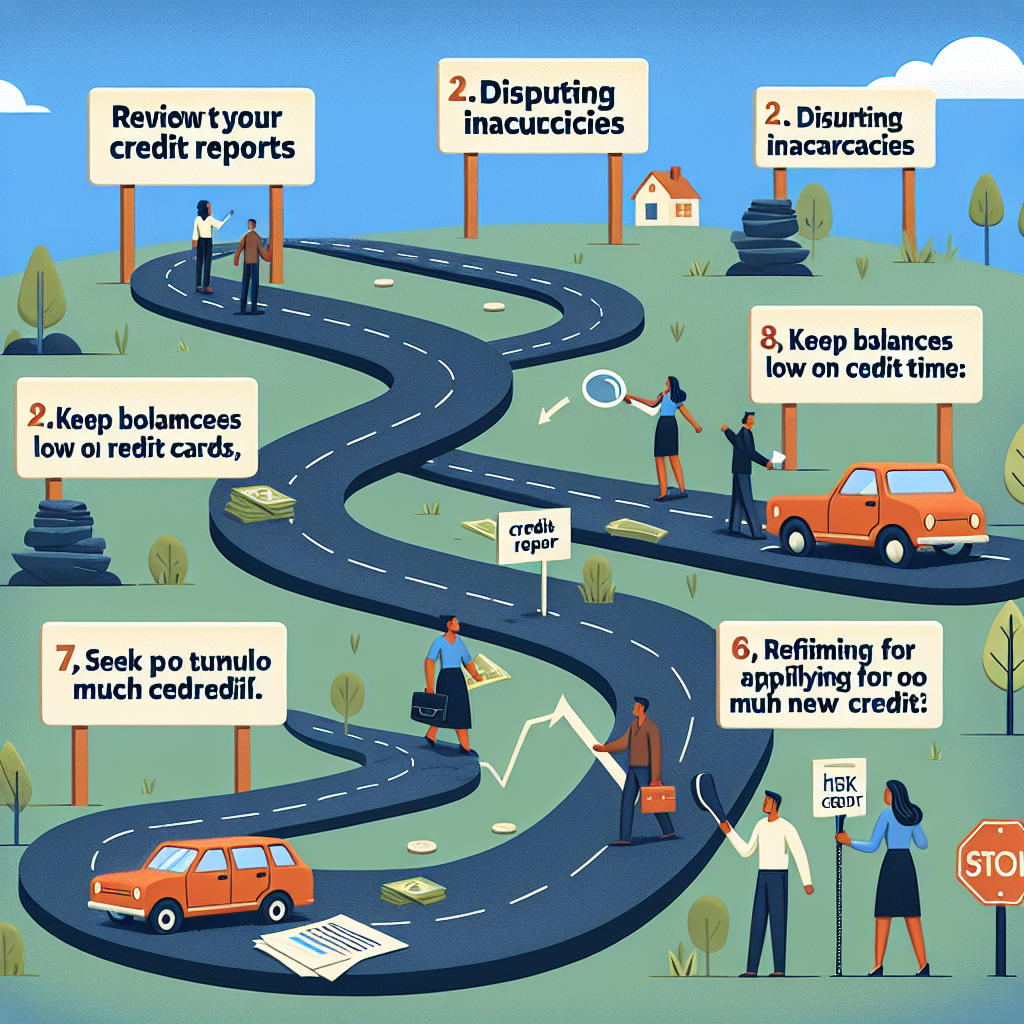
It is essential to review your credit report regularly to ensure that all the information is accurate and up-to-date. Errors on your credit report can negatively impact your credit score, so it is vital to dispute any inaccuracies you find. By monitoring your credit report regularly, you can catch and correct errors before they do too much damage to your credit score.
5. Consider Using Credit Repair Services
If you are struggling to improve your credit score on your own, consider enlisting the help of a credit repair service. These companies specialize in helping individuals repair their credit and can provide you with personalized advice and guidance on how to improve your credit score. Just be sure to do your research and choose a reputable credit repair service with a track record of success.
By following these tips and prioritizing good payment history, you can take concrete steps towards improving your credit score and ultimately achieving your financial goals. Remember, repairing your credit takes time and effort, but with patience and perseverance, you can get your credit score back on track and unlock the many benefits of having good credit.