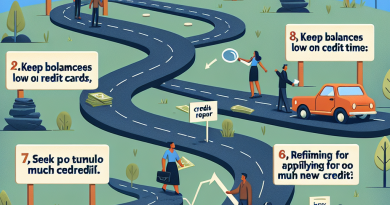
Avoid Bankruptcy with These Expert Tips on Repairing Your Credit

Avoid Bankruptcy with These Expert Tips on Repairing Your Credit
Managing your finances can be a daunting task, especially when unexpected expenses or financial setbacks arise. If you find yourself in a situation where you are struggling to make ends meet and are considering bankruptcy as a way to eliminate your debts, it’s important to explore alternative solutions first. One such solution is repairing your credit. By taking steps to improve your credit score, you may be able to avoid bankruptcy and regain control of your financial future.
Understanding Your Credit Score
Before you can start repairing your credit, it’s important to understand what your credit score is and how it is calculated. Your credit score is a three-digit number that is used by lenders to determine your creditworthiness. The higher your credit score, the more likely you are to be approved for loans and credit cards with favorable terms. Your credit score is based on several factors, including your payment history, amounts owed, length of credit history, new credit, and types of credit used.
Check Your Credit Report
The first step in repairing your credit is to check your credit report. You are entitled to receive a free copy of your credit report from each of the three major credit bureaus – Equifax, Experian, and TransUnion – once every 12 months. Review your credit report carefully for any errors or inaccuracies that could be negatively impacting your credit score. Common errors that can appear on your credit report include outdated information, accounts that do not belong to you, and incorrect payment history.
Dispute Errors on Your Credit Report
If you find any errors on your credit report, it’s important to dispute them with the credit bureaus. You can file a dispute online or by mail, providing documentation to support your claim. The credit bureaus have 30 days to investigate your dispute and make any necessary corrections. Once the errors have been removed from your credit report, your credit score may improve.
Pay Your Bills on Time
One of the most important factors that influences your credit score is your payment history. Lenders want to see that you are able to pay your bills on time and in full. If you have missed payments in the past, it’s important to get current and stay current on your bills. Set up automatic payments or reminders to ensure that you never miss a payment again. Making timely payments can have a positive impact on your credit score over time.
Reduce Your Debt
Another factor that affects your credit score is the amount of debt you owe. Lenders look at your credit utilization ratio, which is the amount of credit you are using compared to the amount of credit available to you. Ideally, you should keep your credit utilization ratio below 30%. If you have high levels of debt, consider creating a budget and paying down your balances to lower your credit utilization ratio and improve your credit score.
Use Credit Wisely
While it may be tempting to close old credit accounts or open new ones, doing so can actually harm your credit score. Closing old accounts can shorten your length of credit history, which can negatively impact your credit score. Similarly, opening new accounts can result in hard inquiries on your credit report, which can lower your credit score. Instead, use your existing credit accounts responsibly and avoid applying for new credit unless absolutely necessary.
Seek Professional Help
If you are overwhelmed by your debt and unable to make progress on your own, consider seeking help from a credit counselor or debt management company. These professionals can work with you to develop a debt repayment plan, negotiate with your creditors, and provide you with resources and support to improve your financial situation. Be sure to do your research and choose a reputable organization that has your best interests in mind.
Monitor Your Credit Score
Finally, once you have taken steps to repair your credit, it’s important to monitor your credit score regularly. You can sign up for a credit monitoring service or use free tools available online to keep track of your progress. Monitoring your credit score allows you to see how your actions are impacting your credit and identify any changes that may require further attention. By staying vigilant and proactive, you can avoid bankruptcy and continue on the path to financial stability.
In conclusion, repairing your credit is a proactive step you can take to avoid bankruptcy and improve your financial future. By understanding your credit score, checking your credit report, disputing errors, paying your bills on time, reducing your debt, using credit wisely, seeking professional help, and monitoring your credit score, you can make significant strides in repairing your credit and regaining control of your finances. Remember that repairing your credit takes time and effort, but the benefits of improved credit are well worth the investment. With the right strategies and determination, you can avoid bankruptcy and achieve financial success.