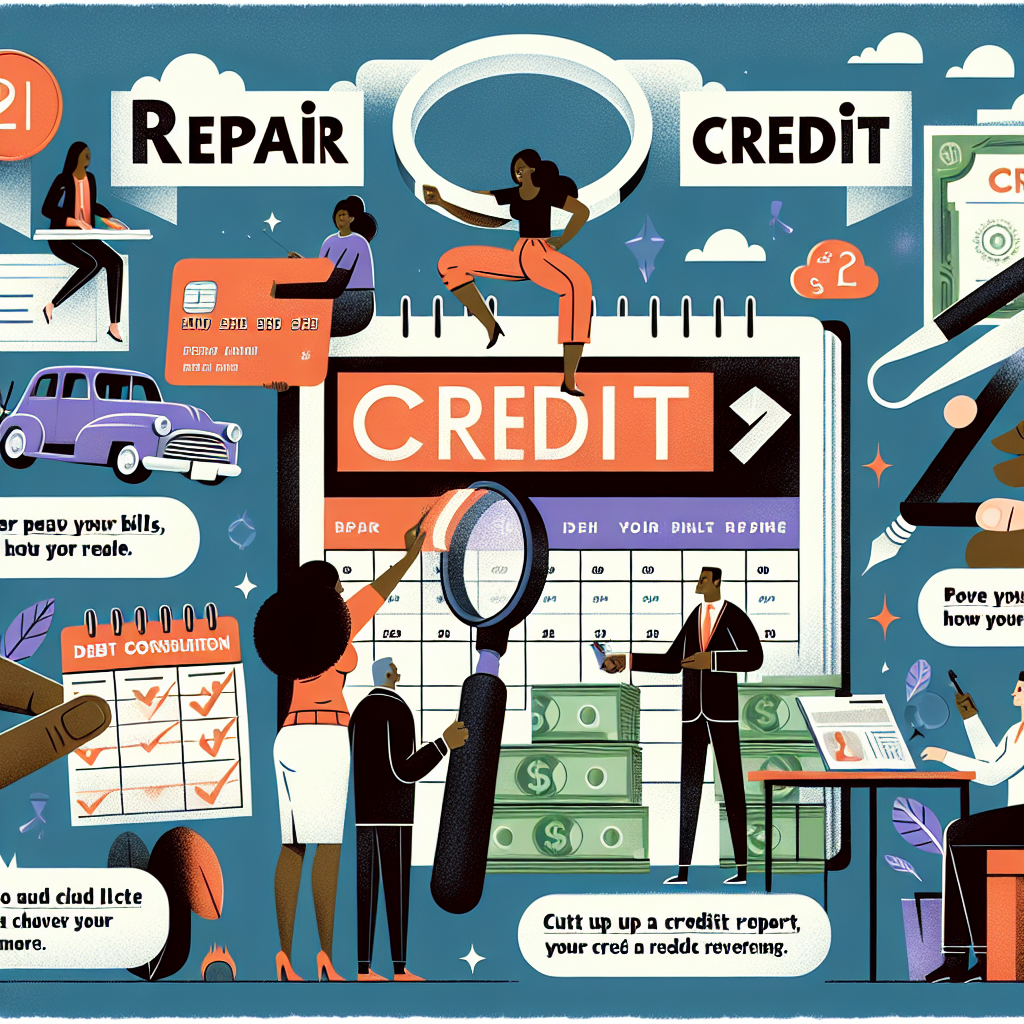
Boost Your Credit Score: Easy Tips for Repairing Your Credit

Boost Your Credit Score: Easy Tips for Repairing Your Credit
In today’s world, having a good credit score is essential for financial stability and success. Your credit score is used by lenders, landlords, and even employers to evaluate your financial responsibility and trustworthiness. If your credit score is less than stellar, there are steps you can take to repair it and improve your financial future. In this article, we will discuss easy tips for boosting your credit score and repairing your credit.
Understanding Your Credit Score
Before you can improve your credit score, it’s important to understand what factors influence it. Your credit score is a numerical representation of your creditworthiness, based on your credit history and financial behavior. The three major credit bureaus – Equifax, Experian, and TransUnion – each calculate your credit score slightly differently, but they all consider similar factors, including:
1. Payment history: Your track record of paying bills on time and in full.
2. Credit utilization: The amount of credit you are using compared to your total available credit.
3. Length of credit history: How long you have been using credit.
4. New credit: The number of new accounts you have opened recently.
5. Types of credit: The mix of credit accounts you have, such as credit cards, loans, and mortgages.
By understanding these factors, you can focus on the areas that will have the most impact on your credit score.
Check Your Credit Report Regularly
The first step to repairing your credit is to check your credit report regularly. You are entitled to one free credit report from each of the three major credit bureaus every year, so take advantage of this opportunity to review your credit history and look for any errors or inaccuracies. If you find any mistakes, dispute them with the credit bureau to have them corrected. By ensuring that your credit report is accurate, you can prevent any negative information from dragging down your credit score.
Pay Your Bills on Time
One of the most important factors in determining your credit score is your payment history. Making timely payments on your bills, loans, and credit cards shows lenders that you are reliable and responsible with your finances. If you have a history of late payments, start by making sure you pay all of your bills on time going forward. Set up automatic payments or reminders to avoid missing due dates. Over time, your on-time payments will help improve your credit score.
Reduce Your Credit Card Balances
Another significant factor in your credit score is your credit utilization, which is the amount of credit you are using compared to your total available credit. High credit card balances relative to your credit limits can hurt your credit score. To improve your credit utilization, aim to keep your credit card balances below 30% of your available credit. If possible, pay down your balances to reduce your overall credit utilization and boost your credit score.
Avoid Opening Too Many New Accounts
Opening multiple new credit accounts in a short period of time can raise red flags with lenders and hurt your credit score. Each time you apply for new credit, a hard inquiry is made on your credit report, which can lower your score. To avoid unnecessary inquiries, limit the number of new accounts you open and only apply for credit when necessary. Consider spacing out your credit applications to minimize the impact on your credit score.
Build a Positive Credit History
In addition to paying your bills on time and managing your credit card balances, it’s important to build a positive credit history over time. The length of your credit history is a key factor in your credit score, so the longer you have been using credit responsibly, the better. If you are new to credit or have limited credit history, consider becoming an authorized user on someone else’s credit card or applying for a secured credit card to start building a positive credit history.
Seek Professional Help if Needed
If you are struggling to repair your credit on your own, consider seeking help from a credit counseling agency or a reputable credit repair company. These professionals can provide guidance on improving your credit score, negotiating with creditors, and disputing inaccuracies on your credit report. Just be cautious of scams and be sure to research any company before hiring them to help with your credit repair efforts.
Conclusion
Repairing your credit and boosting your credit score is a worthwhile investment in your financial future. By understanding the factors that influence your credit score and taking proactive steps to improve it, you can open up opportunities for better loan terms, lower interest rates, and increased financial security. Remember to check your credit report regularly, pay your bills on time, reduce your credit card balances, avoid opening too many new accounts, build a positive credit history, and seek professional help if needed. With patience and persistence, you can repair your credit and achieve a higher credit score.