How to Repair Your Credit: The Power of Using Debit Cards Wisely

Repair Your Credit: The Power of Using Debit Cards Wisely
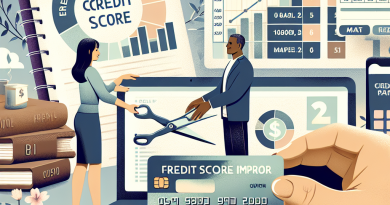
In today’s fast-paced, consumer-driven society, credit plays a significant role in our financial well-being. Your credit score determines your ability to secure loans, credit cards, and even rent an apartment or get a job. If you’ve found yourself struggling with a low credit score due to past mistakes or financial hardship, don’t worry – there are steps you can take to repair your credit and improve your financial future.
One of the most effective tools you can use to repair your credit is a debit card. Unlike credit cards, which allow you to borrow money up to a certain limit, a debit card is linked directly to your checking account and only allows you to spend the money you have. By using a debit card wisely, you can get your finances back on track and start improving your credit score.
Understanding the basics of credit repair
Before diving into how to use debit cards to repair your credit, it’s essential to understand the basics of credit repair. A credit score is a numerical representation of your creditworthiness, and it is based on various factors such as your payment history, outstanding debts, length of credit history, new credit accounts, and credit mix.
To improve your credit score, you need to take proactive steps to demonstrate responsible financial behavior. This includes paying your bills on time, keeping your credit balances low, and monitoring your credit report for errors or inaccuracies. It’s also important to avoid taking on unnecessary debt and to make smart financial decisions that will help you build a positive credit history.
Using debit cards wisely to repair your credit
Now that you understand the basics of credit repair, let’s delve into how you can use debit cards to improve your credit score. Debit cards offer several advantages over credit cards, including the following:
1. Only spend what you have: One of the major benefits of using a debit card is that it prevents you from overspending. Unlike credit cards, which can tempt you to charge more than you can afford, a debit card requires you to use only the funds available in your checking account. By sticking to a strict budget and only spending what you have, you can avoid accumulating more debt and damaging your credit score further.
2. Avoid interest charges: Another advantage of using a debit card is that you won’t incur any interest charges on your purchases. Credit cards typically come with high-interest rates, which can add up quickly if you carry a balance from month to month. By using a debit card for your everyday expenses, you can avoid paying interest and save money in the long run.
3. Build responsible financial habits: Using a debit card can help you develop responsible financial habits that will benefit your credit score in the long run. By keeping track of your spending, sticking to a budget, and avoiding unnecessary purchases, you can demonstrate to creditors that you are a responsible borrower who can manage your finances effectively.
4. Monitor your transactions: Debit cards offer real-time access to your checking account balance, allowing you to monitor your transactions and stay on top of your finances. By keeping a close eye on your spending habits, you can identify areas where you can cut back and make smarter financial decisions that will help you improve your credit score.
Tips for using debit cards wisely
To make the most of using debit cards to repair your credit, here are some tips to keep in mind:
1. Create a budget: Before using your debit card, take the time to create a budget that outlines your monthly expenses and income. By tracking your spending and setting limits for each category, you can avoid overspending and stay on track with your financial goals.
2. Limit your discretionary spending: To improve your credit score, it’s essential to prioritize your financial needs over wants. Limit your discretionary spending on non-essential items and focus on paying off any existing debts or building an emergency fund.
3. Monitor your credit report: Regularly check your credit report to ensure that all the information is accurate and up-to-date. If you spot any errors or discrepancies, dispute them with the credit bureaus to have them corrected.
4. Build an emergency fund: To protect yourself from falling into debt in the future, build an emergency fund that covers at least three to six months’ worth of living expenses. Having a financial safety net can help you avoid relying on credit cards or loans in times of financial hardship.
In conclusion, repairing your credit takes time and effort, but by using debit cards wisely, you can take positive steps toward improving your financial future. By sticking to a budget, monitoring your spending, and making responsible financial decisions, you can build a positive credit history and achieve your long-term financial goals. Remember that credit repair is a journey, not a sprint, so stay patient and committed to your financial health.