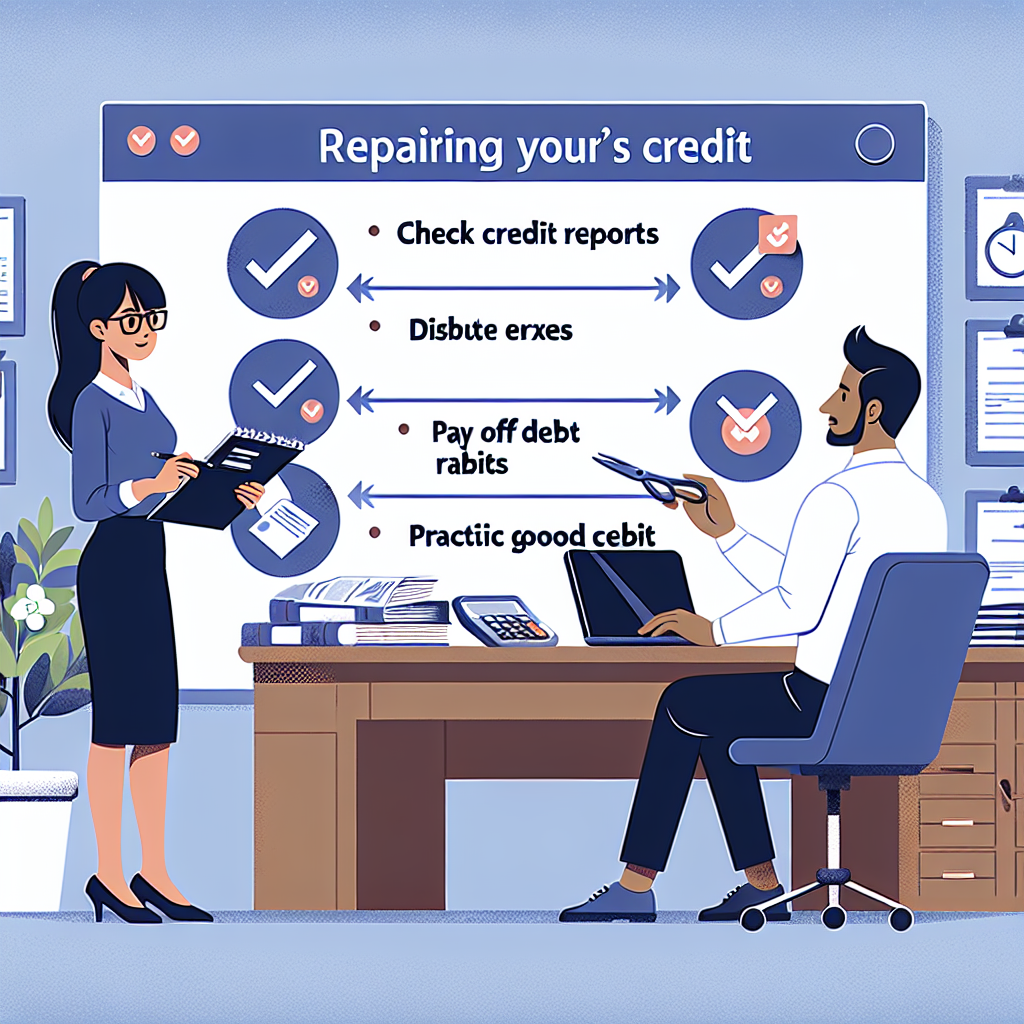
Struggling with Bad Credit? Here Are Expert Tips on Repairing Your Credit Score

Struggling with Bad Credit? Here Are Expert Tips on Repairing Your Credit Score
Having a bad credit score can have a significant impact on your financial well-being. It can make it difficult to secure loans, obtain credit cards, or even rent an apartment. But there is hope. With a bit of effort and dedication, you can work to repair your credit score and get back on track financially. In this article, we will discuss expert tips on how to repair your credit score and improve your financial future.
1. Understand Your Credit Score
The first step in repairing your credit score is to understand where you currently stand. Your credit score is a three-digit number that is based on your credit history and financial behavior. It is used by lenders to determine your creditworthiness and is a key factor in whether you are approved for credit and the interest rates you are offered.
You can obtain a copy of your credit report from the three major credit bureaus – Equifax, Experian, and TransUnion. Review your report carefully and make note of any negative items that are impacting your score. This will help you identify areas that need improvement and create a plan to address them.
2. Pay Your Bills on Time
One of the most important factors in determining your credit score is your payment history. Making on-time payments is crucial to maintaining a good credit score. Late payments can significantly impact your score and stay on your credit report for up to seven years.
To improve your credit score, make sure to pay all of your bills on time. Set up reminders or automatic payments to ensure that you do not miss any due dates. If you have missed payments in the past, get current on your accounts and work with your creditors to establish a payment plan.
3. Reduce Your Debt
Another key factor in determining your credit score is your credit utilization ratio, which is the amount of credit you are using compared to the total amount of credit available to you. High credit card balances can negatively impact your score, so it is important to work on reducing your debt.
Start by paying off high-interest debt first and focus on reducing your credit card balances. Try to keep your credit utilization ratio below 30% to improve your credit score. Consider consolidating your debt or transferring balances to a lower-interest credit card to help reduce your debt more quickly.
4. Dispute Errors on Your Credit Report
It is not uncommon for errors to appear on your credit report that can negatively impact your credit score. These errors can include incorrect account information, late payments that were actually made on time, or accounts that do not belong to you. By disputing these errors, you can have them removed from your report and improve your credit score.
Review your credit report carefully and file a dispute with the credit bureaus for any errors you find. Provide supporting documentation to support your claim and follow up to ensure that the errors are corrected. Monitoring your credit report regularly can help you catch errors early and address them promptly.
5. Build Good Credit Habits
In addition to repairing your credit score, it is important to build good credit habits to maintain a healthy credit score in the future. This includes paying your bills on time, keeping your credit utilization low, and only applying for credit when necessary.
Consider opening a secured credit card or becoming an authorized user on someone else’s account to help build positive credit history. Monitor your credit score regularly and check for changes that may indicate fraudulent activity. By developing good credit habits, you can continue to improve your credit score and achieve your financial goals.
In conclusion, repairing your credit score takes time and effort, but it is possible with the right strategies in place. By understanding your credit score, paying your bills on time, reducing your debt, disputing errors on your credit report, and building good credit habits, you can work towards improving your credit score and securing a better financial future. Remember to be patient and persistent in your efforts, and you will see results over time.